
Building & Pest Inspections Hills District.
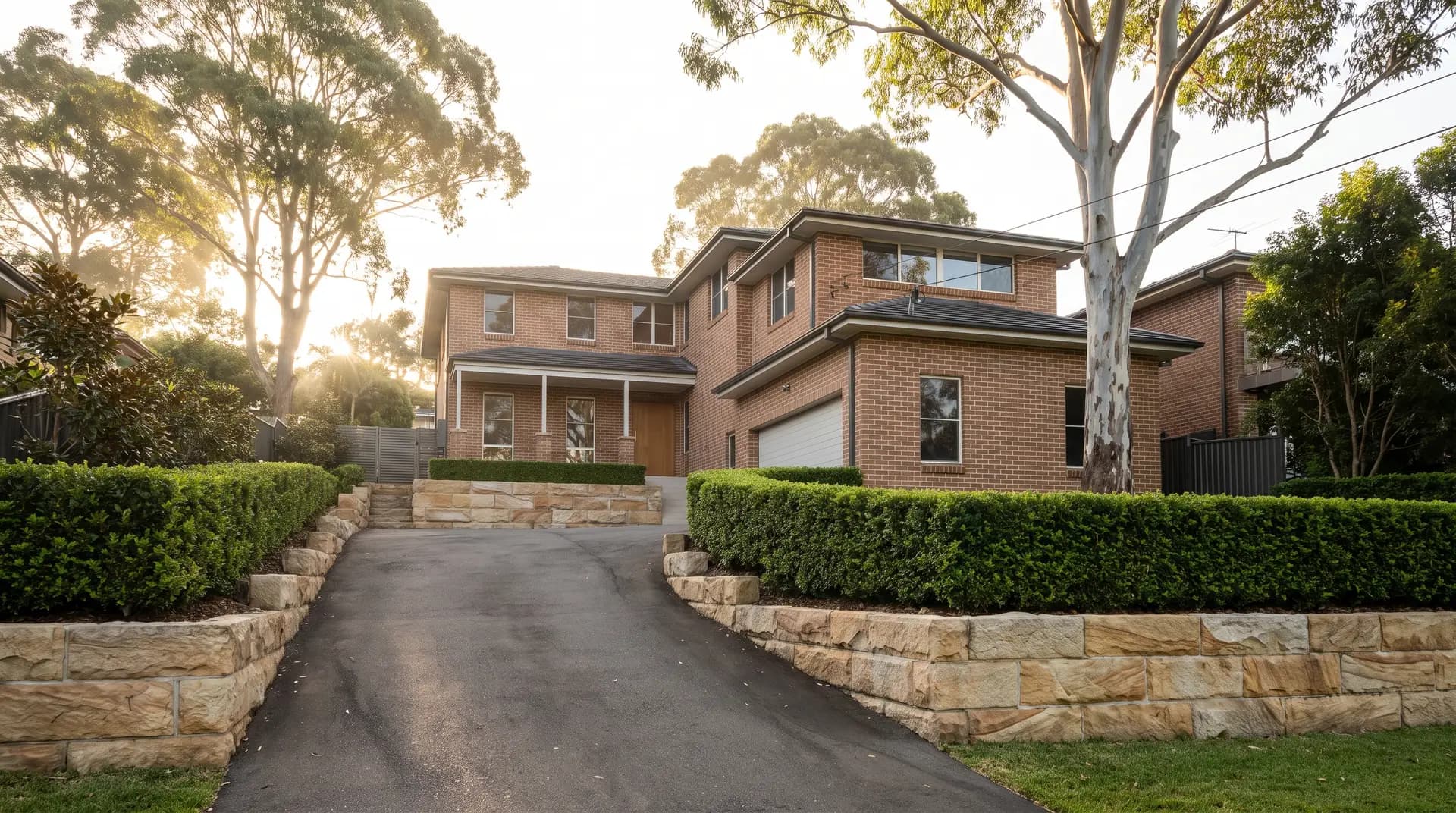
The Hills is 1990s to 2000s project homes on cut-and-fill blocks, 1970s and 80s brick veneer with roofs now 40 to 50 years old, and on the Epping fringe, 1950s houses on big blocks beside new towers. The findings that set it apart: retaining walls, surface drainage, pools, and 2-storey roofs only a drone can see. Your reportthe same day.
Same-Day Report
Written up, photographed and emailed.
Drone, Thermal, Moisture
On every inspection, no extra charge.
1 Visit, 1 Report
Building and timber pest together.
5.0 On Google
From 30 reviews.
Same-Day Report.
Drone, thermal camera and moisture meter on every inspection, at no extra charge.
Same-day report · Building and pest in 1 visit
Book Your Inspection
5.0 from 30 Google reviews · Licensed builder · Timber pest trained · $5M public liability
Drone, Thermal, Moisture Meter
On every inspection, no extra charge
$5,000,000 Public Liability
$2,000,000 professional indemnity
Same-Day Report
Photographed and emailed
5.0 On Google
30 reviews, Sept 2026
Hills Housing, And What Fails.
Most Hills inspection pages are a suburb list with postcodes. This is what the blocks, the eras and the extras actually do on an inspection.
Cut-and-fill blocks: Kellyville, Beaumont Hills, Bella Vista, Rouse Hill
The 1990s and 2000s estates were built on hilly ground that was cut on the high side and filled on the low side to make a level pad, with a retaining wall holding the difference. That single fact produces most of the Hills-specific findings. The retaining walls (timber sleeper, concrete block or sandstone) lean, weep and crack as the fill behind them settles and the drainage behind them clogs. Surface water runs off the cut side toward the slab rather than away from it. And the house settles differently on the cut half and the fill half, which shows up as cracking at the fill end and doors that stick on one side of the house only. None of it is exotic; all of it is what a 2-storey brick veneer on a made-up block does over 25 years, and it is what we photograph here. The cracks in walls guide covers which cracks matter.
1970s and 80s brick veneer: Castle Hill, Baulkham Hills, Winston Hills
The older Hills stock is 2-storey brick veneer with concrete-tile roofs and timber-framed roof structures now 40 to 50 years old. The roof is the finding. Fretting tiles, rusted valley irons, failed flashings at the chimneys and the box gutters, and sagging battens between the rafters are what the drone sees on a roof nobody can safely stand on. Inside the roof void we look for the water stains those defects leave, and for the original sarking that has gone brittle. A roof at this age is the largest single cost a buyer inherits in the Hills, and the drone flight is included on every inspection for that reason.
Pools and retaining walls: what is inspected, and what needs its own certificate
General information, not advice. We’re building and pest inspectors, not pool certifiers. Under NSW pool barrier law a property with a pool needs a certificate of compliance (or non-compliance) for sale; NSW Fair Trading explains the requirement, and your conveyancer confirms the certificate is in the contract.
A large share of Hills houses have a pool, and the inspection covers what it can see: the condition of the barrier, the gate, the coping and the paving, the pool’s effect on the drainage and the retaining walls around it. It does not certify the barrier. That is a registered pool certifier’s job and the certificate is a legal document that belongs in the contract. Retaining walls are inspected for lean, weeping, cracking and drainage; a wall over about 1 metre that is moving is a structural engineer’s call, and the report says when that is the case.
The Epping fringe: 1950s brick on big blocks beside new towers
Epping and Carlingford, on the region’s eastern edge, are a different stock: 1950s to 1970s brick and weatherboard on large blocks, alongside 2010s-onward apartment towers around Epping station. The older houses report on subfloors, original wiring and plumbing (noted as original, not tested) and the roof; the towers are a per-lot scope we confirm when you book. If you are buying the older house for the block, the inspection tells you what the house is worth keeping; if you are buying the apartment, the strata search your conveyancer arranges tells you what the building has cost its owners.
The bush edge: West Pennant Hills, Cherrybrook, Dural, Glenhaven
Suburbs bordering Cumberland State Forest, Bidjigal Reserve and the Cattai and Berowra bushland carry higher termite pressure than a new-looking house suggests. A 2005 brick veneer with a bush reserve over the back fence is not a house you skip the timber pest inspection on. We inspect and report to AS 4349.3-2010, with the thermal camera and moisture meter included; if we find activity, the report goes to a licensed pest manager of your choosing. The signs of termites guide covers what to look for.
Independent Eyes During The Build.
The North West growth area (Box Hill, North Kellyville, the Rouse Hill fringe) is where the Hills is still being built, and a house under construction is the one time a defect is cheap to fix. We inspect new builds at stages during construction; which stages and what each one checks is confirmed with you when you book. A stage inspection is an independent check for you, not a certification.
Details on the new-build stage inspections page. Buying a house that is already built? The pre-purchase inspection is the one.
Every Accessible Area, Every Time.
The inspection covers the interior, exterior, roof space, roof exterior, subfloor and the site, with the timber pest inspection to AS 4349.3-2010 done in the same visit. Drone, thermal camera and moisture meter on every inspection, at no extra charge. Hills houses are mostly 2-storey with retaining walls and often a pool, so the drone, the retaining walls and the pool barrier condition are on every job here.
The full zone-by-zone scope is on the building and pest inspection Sydney page, and the price is explained on the inspection cost page. A firm price before anything is booked, and your report the same day.
Hills District Suburbs.
The Hills Shire and, on its eastern fringe, Epping and Carlingford in the Parramatta and Hornsby council areas. Postcodes so the form can confirm you’re in area.
- Castle Hill2154
- Baulkham Hills2153
- Bella Vista2153
- Kellyville2155
- Beaumont Hills2155
- Rouse Hill2155
- Box Hill2765
- North Kellyville2155
- Cherrybrook2126
- West Pennant Hills2125
- Dural2158
- Glenhaven2156
- Winston Hills2153
- Northmead2152
- Carlingford2118
- Epping2121
Not listed? The form asks for your suburb or postcode and flags anything outside Greater Sydney, so send it through and we’ll confirm rather than guess.
Which Inspection Do You Need?
Also Covered Next Door.
Hills District FAQs.
Do you inspect pool fences?
General information.We inspect the barrier’s condition and note what we see; we do not certify it. NSW pool barrier law requires a compliance certificate for sale, issued by a registered certifier or the council, and your conveyancer confirms it is in the contract.
Are 1990s project homes a problem?
Not as a class. What they have in common is the cut-and-fill block, so the retaining walls, the surface drainage and differential settlement between the cut and fill halves are the things to inspect, and the concrete tile roof is now 30 years old. Those are all findings, not deal-breakers, and the report separates the cosmetic from the structural.
Do you inspect retaining walls?
Yes: lean, weeping, cracking, drainage behind the wall and its effect on the house. A high wall that is moving is a structural engineer’s call, and the report says so when that is the case rather than guessing.
Do you cover Epping apartments?
Ask when you enquire and we’ll confirm the scope for your lot before quoting. Strata records searches are separate and your conveyancer arranges one.
Is termite risk higher near the bush?
Yes. Adjoining bushland is one of the conducive conditions, alongside timber in ground contact and moisture. West Pennant Hills, Cherrybrook, Dural and Glenhaven all border reserves, which is why the timber pest inspection is not optional there even on a newer house. We inspect and report; we don’t treat. Same-day service is available for cooling-off period inspections. Call and say so, and we'll tell you the soonest we can be there.
You might also find this useful
- Cracks in Walls: When to WorryThe 30-second check, crack types by direction, and when an engineer is needed.Open
- What a Building Inspection CoversElement by element, with the common Sydney defects and what is not covered.Open
- Pre-Purchase InspectionFor buyers. Structure and timber pests in 1 visit, timed to your cooling-off period.Open
- New-Build Stage InspectionsFor new-build owners. The pre-handover defects report, and stage checks by arrangement.Open
- Inspection CostWhat changes the price, what is included, and what a cheap quote usually leaves out.Open
- Termite InspectionTimber pest inspection to AS 4349.3-2010. We inspect and report; we don't sell treatment.Open
Prefer A Call Back?
Leave your name and number and we’ll call you back about your inspection. Pre-purchase, pre-sale, timber pest and dilapidation inspections across Greater Sydney.